
Aircraft De-Icing Explained: Costs, Procedures and Winter Operations for Private Jets

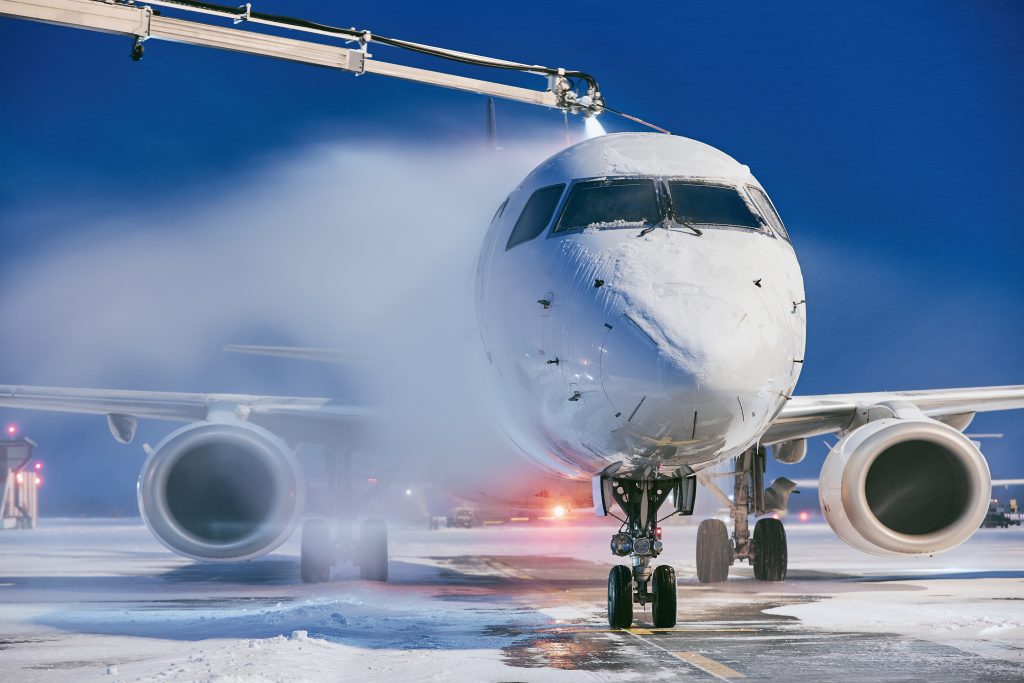
When winter arrives ❄️, aircraft de-icing and anti-icing become essential procedures to ensure the safety of every flight. Many passengers and private jet users have heard of de-icing, but few fully understand how it works: Is it mandatory? Is it included in the charter price? How much does it actually cost?
This guide explains everything you need to know about de-icing in private aviation, from safety requirements to real cost ranges across different aircraft types.
Why Do Aircraft Need De-Icing?
Ice on the wings, fuselage, or control surfaces dramatically alters the aircraft’s aerodynamics. Even a thin layer of frost reduces lift, which can compromise flight safety.
This is why:
-
De-icing is mandatory if the aircraft has any snow, frost, or ice before takeoff.
-
The procedure is carried out by certified airport de-icing teams using approved Type I and Type IV fluids.
In short: no aircraft can take off safely without proper de-icing.
How the Aircraft De-Icing Process Works
1. De-icing (Removal of Ice)
Hot Type I fluid is applied to remove ice, snow, or frost from the aircraft’s critical surfaces.
2. Anti-icing (Protection Against Re-Freezing)
If needed, a second layer of Type IV fluid is applied to prevent ice from forming again while the aircraft waits for takeoff.
Both treatments require:
-
specialized heated trucks,
-
trained staff,
-
fluid monitoring, and
-
strict operational timing.
In major winter airports, this process is continuous and highly efficient to avoid delays.
Do De-Icing Fluids Work in All Temperatures?
Not always.
European de-icing fluids work down to around –33°C, below which they lose effectiveness.
In extremely cold regions such as Canada or Russia, more powerful fluids are used to cope with even harsher conditions.
How Much Does Aircraft De-Icing Cost?
This is one of the most common questions—and also one of the most variable.
De-icing costs depend on:
-
Airport location (Helsinki vs. Madrid)
-
Aircraft size
-
Weather severity
-
Type and amount of fluid used (charged per litre)
-
Operational delays — sometimes the aircraft needs a second de-icing if ice accumulates again before takeoff.
Typical De-Icing Costs in Private and Commercial Aviation
(Approximate values; prices vary by operator, airport, and conditions.)
-
Light jets (Phenom, Citation, HondaJet)
€300 – €1,000 -
Midsize / Super midsize jets (Hawker, Challenger 300/350)
€1,000 – €3,000 -
Large cabin jets (Challenger 605/650, Global, Gulfstream)
€3,000 – €8,000+ -
Commercial Aircraft (Boeing 737-800, Airbus A320)
€5,000 – €12,000+
Airports such as Zurich, Geneva, Stockholm or Munich often show higher prices due to heavy demand and increased fluid consumption.
Is De-Icing Included in a Private Jet Charter Price?
It depends on the operator. The market uses several pricing models:
1. De-icing NOT included (most common)
Customers pay the actual cost after the flight, similar to commercial airlines.
2. Flat-rate de-icing fee
Some operators offer a fixed price per flight—useful for winter operations.
3. De-icing insurance
An additional option (usually €150–€500 per flight on very light jets) covering any de-icing costs.
4. All-inclusive charter (less common)
Some brokers or operators include de-icing in the final fare, especially for winter-intensive destinations like Lapland.
Can a Flight Be Delayed Due to De-Icing?
Yes. Winter airports often experience:
-
long queues for de-icing areas,
-
limited availability of de-icing trucks,
-
holdover time expiration, requiring the procedure to be repeated.
This may lead to delays and higher costs. Planning wider time margins in winter is highly recommended.
Tips for Private Jet Passengers in Winter
-
Always ask whether de-icing is included before booking.
-
Expect potential extra charges between November and March.
-
Consider de-icing insurance if flying from very cold regions.
-
Be flexible with departure times to avoid weather-related delays.
-
Follow your broker or operator’s advice—safety comes first.
Final Thoughts
De-icing is a mandatory, safety-critical step in winter operations. While it can add extra cost to a private jet flight, understanding the process and its price range helps avoid surprises and ensures smooth winter travel.
If you need support planning winter flights or want clear quotes with transparent de-icing policies, the Eurosky team will be happy to assist you.