
Private jet for sale & Aircraft acquisition
Buying or selling a private jet is a complex operation that requires in-depth expertise and a lot of know-how.
Aircraft ownership:
Our expertise
Eurosky has chosen to join forces with the best specialists of the market.
We thus offer you contrasting professional skills and an international network in order to find the best solution both technically and economically. We act on behalf of our clients only on an exclusive mandate and are familiar with the technical and legal specifics of this type of transaction.
A thorough understanding of this activity is our first asset. Experience, quality of contact with the main manufacturers, efficient networks, administrative and technical expertise, allow us to support you throughout the aircraft sale and acquisition process by optimizing your resources.
The cornerstone remains the trust of all stakeholders: buyers, sellers, brokers for whom confidentiality, impartiality, thoroughness, as well as expertise are the necessary conditions for successful transactions.
Rather than ensuring that we are the best partner in the matter, we invite you to see it for yourself by meeting us.
Private jets for sale
You will find below a selection of private jets currently for sale. To obtain more offers of aircraft, contact us
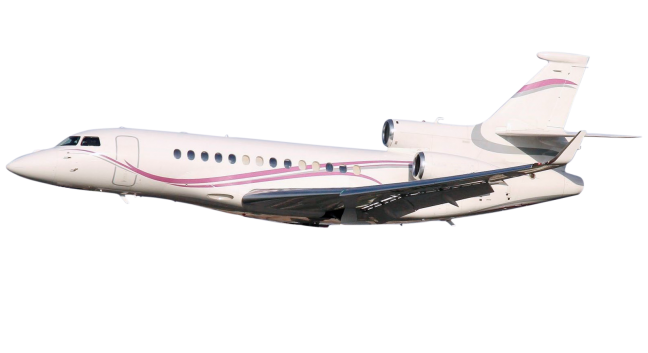
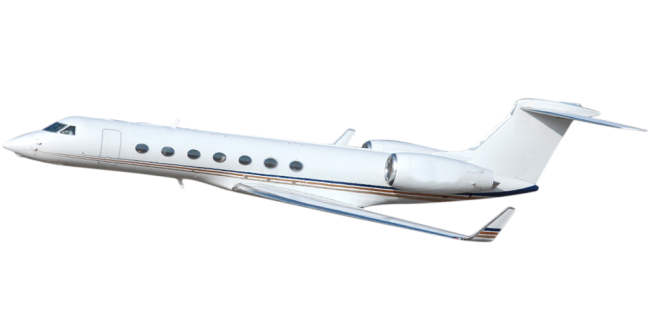
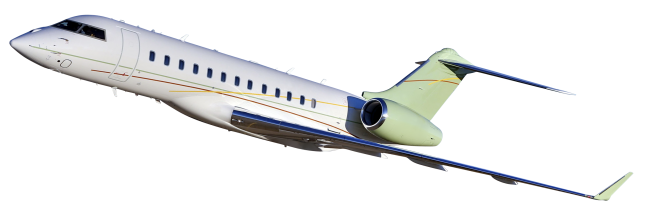
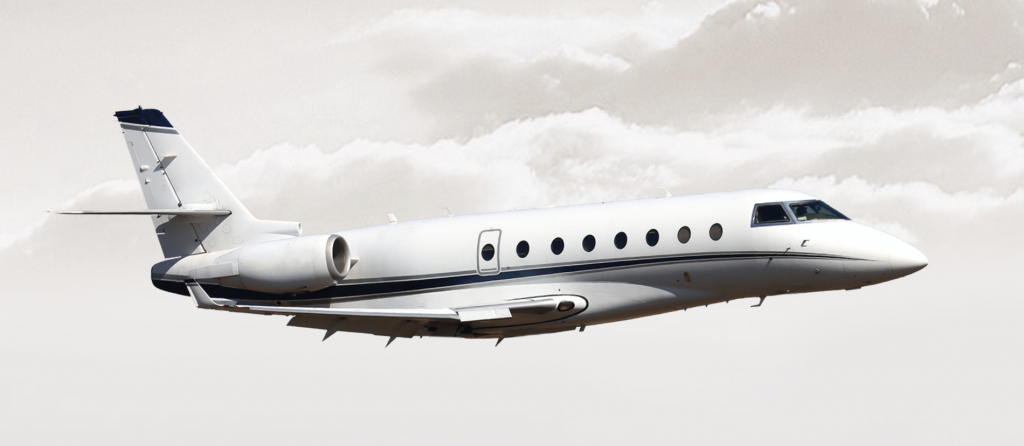

FAQ for private jet acquisition
How Does the Private Jet Purchase Process Work?
Buying a private jet is a complex transaction that requires a structured and professional approach to minimize legal, technical, and financial risks. A successful private jet acquisition typically follows several key stages:
- Definition of Requirements
The process begins with a detailed analysis of your operational needs: typical flight distance, number of passengers, required range, operating budget, and usage objectives.
This assessment allows buyers to identify the most suitable aircraft category, whether a light jet, midsize jet, super midsize jet, or long-range private jet. Selecting the right aircraft ensures optimal performance, efficiency, and long-term value.
- Letter of Intent (LOI)
The next step is drafting a formal Letter of Intent (LOI), outlining the proposed purchase price and the main terms and conditions of the offer.
The LOI structures the negotiation process and secures the framework of the private jet transaction before proceeding to due diligence.
- Pre-Purchase Inspection (Pre-Buy Inspection)
A comprehensive technical inspection is conducted by independent aviation experts.
This pre-buy inspection identifies potential hidden defects, reviews the aircraft’s maintenance history, and confirms regulatory compliance. It is a critical phase in any business jet acquisition, protecting the buyer from unexpected liabilities.
- Closing and Transfer of Ownership
The final stage is the closing of the transaction and the official transfer of ownership. Funds are typically secured through an escrow account, ensuring financial security for both buyer and seller.
Once all contractual conditions are satisfied, the aircraft title is transferred and the private jet sale is completed.
Is It Better to Charter or Buy a Private Jet?
The decision between buying or chartering a private jet depends on several strategic factors, particularly the user’s travel profile and expected annual flight hours.
As a general rule, purchasing a private jet becomes financially relevant at approximately 200 flight hours per year. Below this threshold, private jet charter solutions or alternatives such as fractional ownership often provide greater flexibility and cost efficiency.
Key Factors to Consider
The right solution depends on:
- The frequency and regularity of your travel
- The need for guaranteed aircraft availability
- Tax and wealth management considerations
- Your ability to manage ongoing operating costs (maintenance, crew, hangar, insurance, fuel)
Private Jet Ownership vs Charter: Strategic Considerations
Private jet ownership offers full control, immediate availability, brand positioning benefits, and long-term asset value. However, it also involves significant capital investment and fixed operating costs.
Private jet charter provides on-demand flexibility, no asset depreciation risk, and no operational management responsibilities. It is often the preferred option for executives or companies flying fewer than 200 hours annually.
Need Expert Guidance?
Choosing between buying and chartering a business jet requires a comprehensive financial and operational assessment.
To explore this topic further, we invite you to read our dedicated business aviation blog or contact our private jet advisors for tailored guidance on aircraft acquisition and charter solutions.
What is the purchase price of a private jet?
The purchase price of a private jet depends primarily on whether the aircraft is new or pre-owned, as well as its model, size, range, and onboard equipment.
Typical Price Ranges
-
Light pre-owned jets: from $2 million
-
New long-range jets: up to $75 million or more
These figures represent the acquisition cost alone; actual prices vary depending on specifications, interior customization, and avionics packages.
Total Cost Considerations
It’s important to note that the purchase price is only part of the total cost of ownership. Buyers should also consider:
-
Operating expenses (fuel, landing fees, navigation charges)
-
Maintenance programs (including scheduled inspections and engine programs)
-
Crew costs (salaries, training, travel)
-
Hangar and storage fees
-
Insurance coverage
A comprehensive assessment of both acquisition and ongoing operational costs is essential to evaluate the true investment required for a private jet.
What Is the Biggest Hidden Cost When Buying a Private Jet?
When purchasing a private jet, one of the most significant hidden costs is the major scheduled maintenance inspection known as the C Check.
This heavy maintenance event, required under the aircraft manufacturer’s maintenance program, can cost hundreds of thousands to several million dollars, depending on the aircraft model, age, total flight hours, and the scope of required work.
What Is a C Check?
A C Check is a comprehensive inspection that involves:
- Detailed structural examination
- Thorough review of avionics systems
- Inspection and servicing of critical aircraft components
- Compliance verification with manufacturer and aviation authority requirements
The aircraft is typically grounded for several weeks during this process. If a C Check is approaching and not properly anticipated during negotiations, it can significantly increase the true acquisition cost of the private jet.
Why It Matters in a Business Jet Acquisition
Failing to account for an upcoming C Check can impact:
- The final purchase price negotiation
- Immediate post-closing cash flow
- Aircraft resale value
- Operational downtime planning
For this reason, a pre-purchase inspection (pre-buy inspection) conducted by independent aviation experts is essential. It allows buyers to:
- Identify upcoming maintenance events
- Evaluate required maintenance reserves
- Accurately calculate the total cost of ownership
- Avoid costly surprises after closing
Proper due diligence is critical in any private jet transaction to ensure the aircraft’s maintenance status aligns with your financial and operational strategy.
Can I charter out my own private jet?
Yes, it is entirely possible to charter out your own private jet through a professional aircraft charter management program.
This arrangement allows your aircraft to be operated by certified charter operators when you are not using it, generating revenue to help offset operating expenses such as maintenance, crew salaries, hangar fees, insurance, and ongoing fixed costs.
How Does Private Jet Charter Management Work?
Under a charter management agreement:
- Your aircraft is placed on a certified Air Operator Certificate (AOC)
- A licensed operator handles commercial flights
- The management company oversees scheduling, crew, maintenance coordination, and regulatory compliance
- Charter revenue is shared according to a predefined agreement
This structure enables private jet owners to reduce their total cost of ownership while maintaining priority access to their aircraft.
Key Factors That Determine Profitability
The financial viability of chartering your private jet depends on several variables:
- The aircraft type and model (light jet, midsize, long-range jet, etc.)
- Its operational certification (AOC and regulatory compliance)
- Current market demand in the private jet charter sector
- Regulations in the country of registration and operation
- Aircraft age, cabin configuration, and overall condition
Not all business jets perform equally well on the charter market. Some models generate strong demand and higher hourly charter rates, while others may have limited commercial appeal.
Important Legal and Tax Considerations
Chartering your aircraft introduces additional regulatory, insurance, and tax implications. Commercial operations require strict compliance with aviation authority rules and may impact liability exposure and asset structuring.
For this reason, a preliminary feasibility study conducted by an experienced private jet management company or specialized aircraft broker is essential.
A professional assessment will evaluate:
- Estimated annual charter revenue
- Additional wear and maintenance impact
- Management fees and operating costs
- Legal and tax implications
- Overall return on investment
Proper structuring ensures that chartering your private jet becomes a strategic financial optimization tool rather than an operational risk.
Is It Better to Buy a New or Pre-Owned Private Jet?
When purchasing a private jet, the choice between a new aircraft and a pre-owned jet primarily depends on your available budget, desired delivery timeline, and long-term operational objectives.
Both options offer distinct strategic advantages in a business jet acquisition.
Buying a Pre-Owned Private Jet
The pre-owned private jet market typically offers:
- A more attractive acquisition cost
- Faster availability compared to new production aircraft
- Initial depreciation already absorbed by the first owner
For many buyers, a pre-owned business jet represents strong value, especially when the aircraft has a well-documented maintenance history and recent inspections completed. It can significantly reduce capital exposure while still meeting performance and range requirements.
However, buyers must carefully evaluate upcoming maintenance events, cabin refurbishment needs, and avionics upgrades during the pre-purchase inspection process.
Buying a New Private Jet
A new private jet offers several premium advantages:
- The latest avionics technology and safety systems
- Improved fuel efficiency and operating performance
- Full cabin customization and bespoke interior configuration
- Manufacturer warranty and support programs
New aircraft are ideal for owners seeking cutting-edge technology, brand-new cabin design, and long-term fleet planning.
The main consideration is delivery timing. Due to strong demand and manufacturer order backlogs, lead times can extend several months—or even years—depending on the aircraft category and production schedule.
Strategic Considerations
The decision ultimately depends on:
- Capital allocation strategy
- Planned holding period
- Operational profile
- Asset depreciation objectives
- Personalization requirements
A detailed market analysis conducted by an experienced private jet broker helps determine which option aligns best with your financial and operational strategy.
How long does it take to buy a private jet?
The private jet acquisition process typically takes between 30 and 120 days, depending on several key factors.
A well-structured transaction supported by experienced aviation professionals can streamline the timeline while ensuring every legal, technical, and financial aspect is properly secured.
What Factors Influence the Acquisition Timeline?
The duration of a private jet purchase depends primarily on:
- The aircraft category (light jet, midsize jet, long-range jet)
- The complexity of commercial negotiations
- The scheduling and findings of the pre-purchase inspection (pre-buy inspection)
- Administrative and regulatory procedures (registration, compliance, financing, title transfer)
1️⃣ Aircraft Availability
If the aircraft is immediately available and well-maintained, the process can move quickly. However, rare models or high-demand business jets may require longer negotiation periods.
2️⃣ Pre-Purchase Inspection
The pre-buy inspection is often the most time-sensitive phase. Depending on the aircraft type and maintenance status, this step can take several days to several weeks, especially if discrepancies are identified and require corrective action.
3️⃣ Financing and Registration
If financing is involved, lender approval and documentation can extend the timeline. Additionally, aircraft registration, regulatory compliance checks, and escrow arrangements must be completed before closing.
Typical Timeline Breakdown
- Offer & Letter of Intent (LOI): 1–3 weeks
- Pre-Buy Inspection & Due Diligence: 2–6 weeks
- Closing & Transfer of Ownership: 1–3 weeks
In optimal conditions, a transaction can close in as little as 30–45 days. More complex acquisitions may extend toward 90–120 days.
How to Accelerate the Process
Working with an experienced private jet broker, aviation attorney, and technical inspection team helps anticipate delays, coordinate stakeholders, and secure a smooth closing.
Proper planning is essential to ensure that speed does not compromise due diligence or long-term asset protection.
In which countries can I register a private jet?
A private jet can be registered in various countries or jurisdictions, depending on the owner’s tax strategy, operational requirements, and asset structuring objectives.
The choice of aircraft registry has a direct impact on taxation, regulatory compliance, operating flexibility, and charter eligibility.
Common Private Jet Registries
The most frequently used aircraft registries include:
- Federal Aviation Administration (FAA – United States)
The U.S. registry is one of the most widely used worldwide due to its strong legal framework, international recognition, and operational flexibility. - European Union Aviation Safety Agency (EASA – Europe, via national registries)
Aircraft are registered under individual European countries (e.g., France, Germany, Malta) while complying with EASA regulations. - Caribbean jurisdictions such as Cayman Islands, Aruba, and Isle of Man
These registries are popular for private and corporate aircraft due to tax efficiency, asset protection structures, and international operational credibility. - Specialized offshore aircraft registries
Certain jurisdictions are specifically designed for high-value asset registration and international operations.
Why the Choice of Registry Matters
Selecting the appropriate aircraft registration impacts:
- Applicable tax treatment (VAT, import duties, depreciation structure)
- Regulatory and compliance obligations
- Maintenance program requirements
- Operating costs
- Eligibility for commercial charter operations
For example, some registries are more suitable for purely private use, while others are better structured for aircraft placed under a commercial Air Operator Certificate (AOC).
Strategic Structuring Is Essential
Aircraft registration should never be chosen solely for tax reasons. It must align with:
- Ownership structure (individual, corporate, trust, SPV)
- Planned geographic base of operations
- Charter strategy (if applicable)
- Long-term resale objectives
A preliminary analysis conducted with an experienced aviation advisor or aircraft registration specialist is essential to optimize both ownership and operational efficiency.
Why Use a Broker to Acquire a Private Jet?
Hiring a specialized business aviation broker when purchasing a private jet ensures that the transaction is secure, structured, and strategically optimized.
A professional aircraft broker represents the buyer’s interests exclusively and manages every stage of the acquisition process to minimize legal, technical, and financial risks.
Key Advantages of Working with a Private Jet Broker
An experienced private jet broker will:
- Protect the buyer’s interests throughout the transaction
- Provide access to off-market private jets not publicly advertised
- Negotiate the purchase price and contractual terms
- Reduce technical, legal, and financial exposure
- Coordinate inspections, documentation, escrow, and closing
1️⃣ Access to Off-Market Opportunities
A significant portion of high-value business jets are sold discreetly. Brokers with strong industry networks can access exclusive listings that never appear on the open market, increasing the buyer’s options and negotiation leverage.
2️⃣ Expert Price Negotiation
Aircraft valuation requires deep market knowledge, including recent comparable transactions, maintenance status, engine programs, and upcoming inspections. A broker ensures that the acquisition price reflects the aircraft’s true market value.
3️⃣ Risk Mitigation and Due Diligence
From the pre-purchase inspection to contract drafting and escrow coordination, a broker works alongside aviation attorneys and technical experts to safeguard the buyer from unexpected liabilities.
Strategic Value in a High-Stakes Transaction
A private jet acquisition often involves multi-million-dollar capital allocation. Professional brokerage support typically results in:
- Significant time savings
- Stronger negotiation outcomes
- Better risk control
- Potentially substantial savings on the total acquisition cost
Partnering with a specialized aircraft broker is therefore a key lever for executing a secure, efficient, and high-performance transaction.
Private jet for Sale at the best price
jet quote
Any question ?